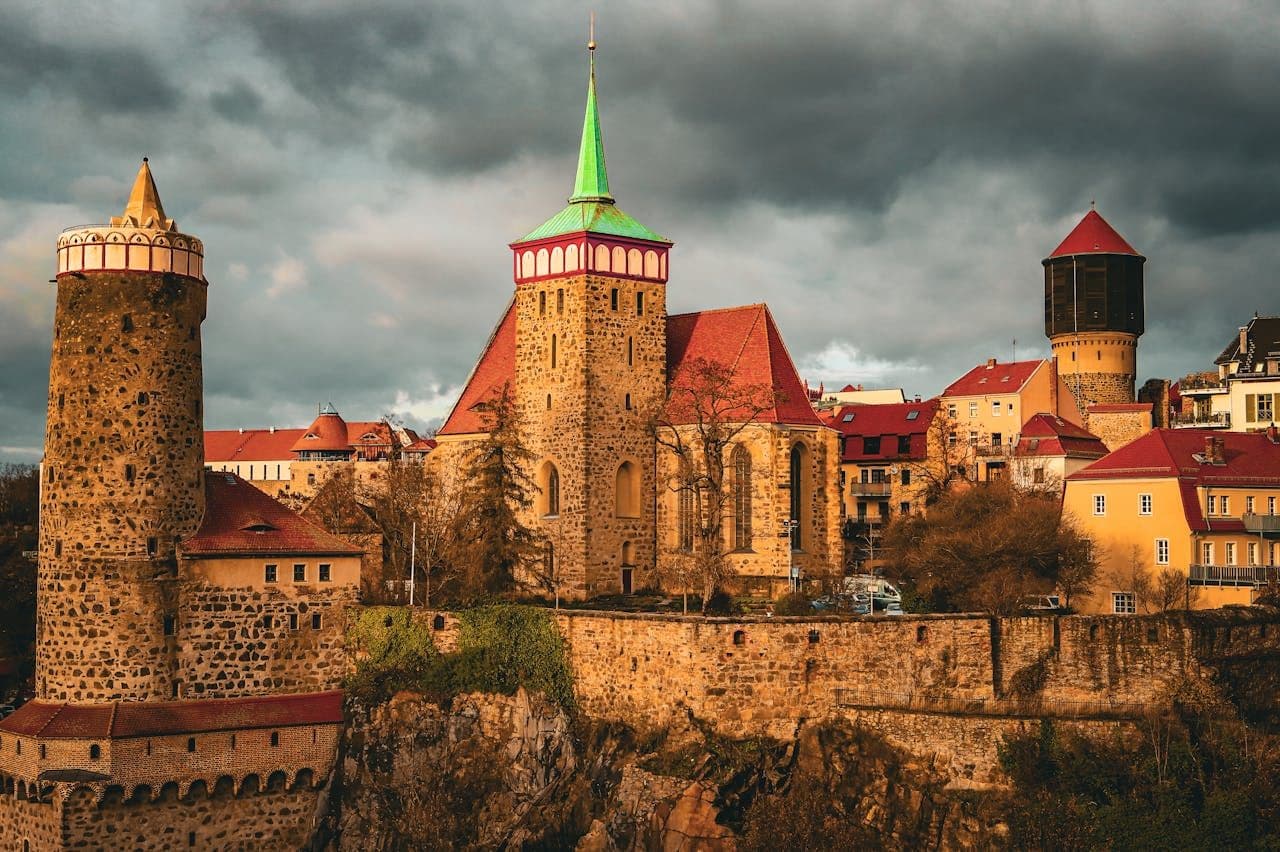
Estonia - Digital Learning for the Future
Estonia is a technology-driven study destination known for its digital innovation and modern education system. With English-taught programs, EU-recognised degrees, and affordable education, Estonia prepares students for future-focused careers.
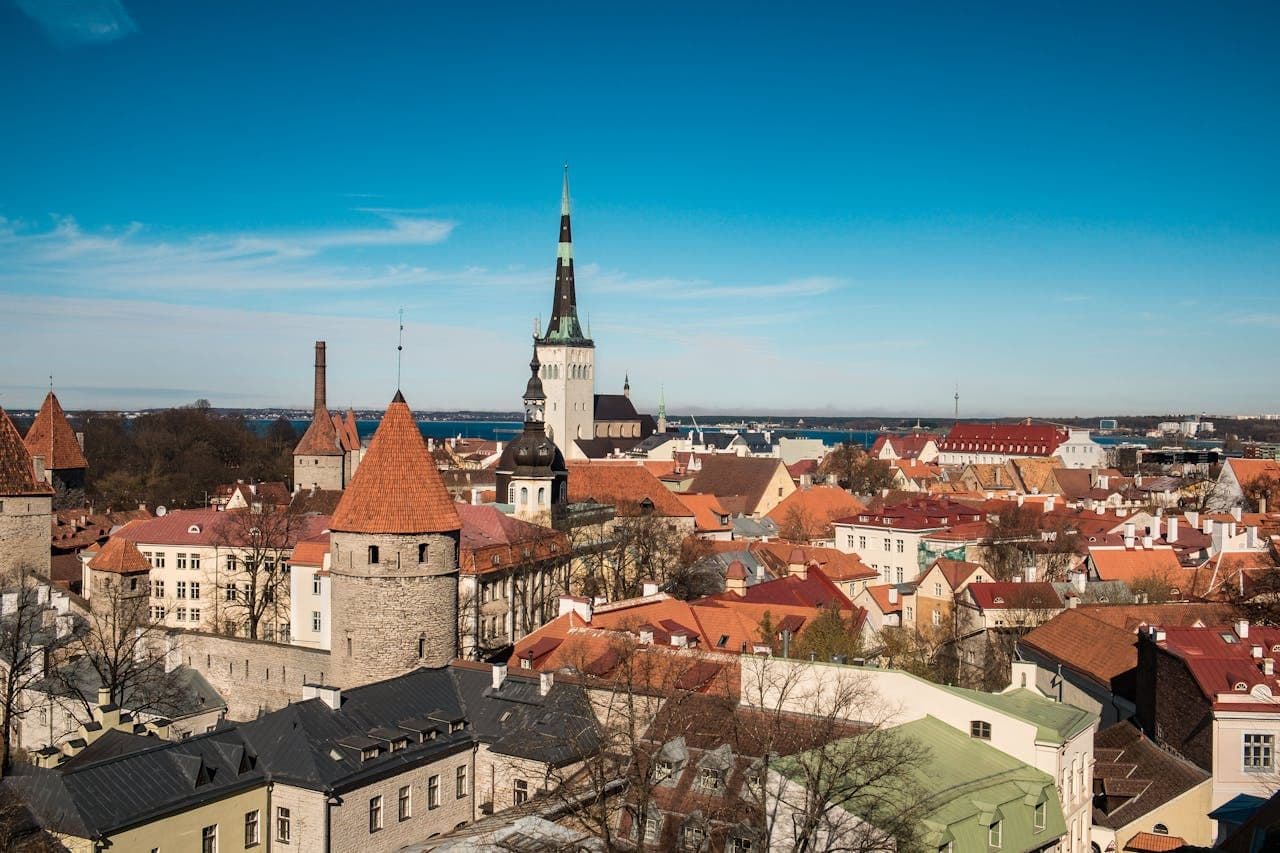

Your Gateway to World-Class Education
- Digital-First Education System
Estonia is one of the world’s most digitally advanced nations, offering cutting-edge education in technology and innovation.
- Strong IT & Startup Ecosystem
Universities are closely linked to Estonia’s startup and tech culture.
- English-Taught Programs & EU Recognition
Many programs are offered in English with degrees recognised across Europe.
- Affordable & Student-Friendly
Estonia offers lower tuition fees and living costs compared to many Western European countries.
Top Universities in the estonia

University of Tartu
Founded in 1632, the University of Tartu (UT) is the only classical university in Estonia. More than 14,000 students are studying at UT (incl. 1600 international students), and UT has 3500 employees (incl. 2000 academic employees (220 professors)). To support and develop the professional competence of its students and academic staff, the university has 66 partner universities in 26 countries. UT is also an active member of prestigious research networks such as ENLIGHT, the Coimbra Group, and LERU.
UT includes 4 faculties. Most of UT is in Tartu, the second biggest city in Estonia; however, parts of the university are located in Pärnu, Narva, Viljandi and Tallinn. Tartu has a population of 100,000, and a fifth of its residents are students.
Tartu is a lively student city. Each academic year starts with freshman days and the highlights of each semester are the Spring and Autumn Student Days, a week-long festival of events especially for students. UT has numerous student clubs and associations, ranging from professional organizations to informal groups. For international students, ESN Tartu is the main organization that focuses its attention on international students’ well-being.
UT offers a wide selection of programmes and unique disciplines for students. UT also participates in several Erasmus Mundus and other joint master's programmes delivered in cooperation with the world's leading universities. UT follows the Bologna process in the organization of its teaching and Bachelor-Master (3+2) system of study modules. The length of PhD studies is 4 years. The academic year starts at the beginning of September each year.

Tallinn University
Tallinn University is a modern and dynamic research university in Estonia with a leading role in promoting an intelligent lifestyle through education, research, and a unique collaboration across disciplines. We view an intelligent lifestyle as making research-based decisions in order to improve society in general and the well-being of its citizens.
Tallinn University is a partner in 14 European Union regional programme projects and coordinates one of them, titled Learning Layers. We also participate in the EU Horizon 2020 framework programme both as a partner and as a coordinator. The university has agreements with 43 partner universities in 21 countries and more than 490 Erasmus+ partnership agreements; we are a member of four international networks of higher education institutions, and our researchers and lecturers actively contribute to the activities of their professional networks.
As a promoter of intelligent lifestyle, Tallinn University values the free time of its members: the university has a literary award for its employees, lecturers and alumni, its symphony orchestra has been chosen as the Estonian Orchestra of the Year, and we have multiple internationally recognised choirs and art groups and several Estonian championship level sports teams.


Estonian Academy of Arts
The Estonian Academy of Arts, founded in 1914, is the only public university in Estonia offering higher education in fine arts, design, architecture, media, visual studies, art culture, cultural heritage and conservation. Located in the capital city, Tallinn, it is an active study and research institution and the leading national centre of innovation in visual culture. Studies take place in our new building with an innovative and inspiring environment. EKA is listed among Top 150 Architecture and Design Universities in the World by QS World University Rankings (2024).
Nearly 1,200 students from all parts of the world are engaged in the curricula to cultivate their analytical abilities and critical thinking with the aim to develop into environmentally and socially conscientious creators. They are taught and supported by nearly 300 professors, associate professors, lecturers and instructors who are professionals in their field – internationally recognised artists, architects, designers, and scholars who provide unique, individualised study and personal mentorship in an interdisciplinary and synergetic atmosphere. Small groups of carefully selected students enable a more personal, one-on-one approach to instruction and family-like, close-knit atmosphere and EKA prides itself on the low student-to-professor ratio.
The Estonian Academy of Arts’ new building in a reconstructed historical textile factory, designed by its alumni, was inaugurated in 2018 and has since received several awards for its architecture and interior design. Located between the picturesque UNESCO world heritage medieval Old Town and the vibrant Kalamaja district, the Academy stands as an oasis of art culture in the midst.
EKA offers six Master’s programmes taught in English: Animation, Contemporary Art, Craft Studies, Graphic Design, Interaction Design, and Urban Studies. In addition, there are two joint Master’s programmes: Literature, Visual Culture and Film Studies MA offered jointly with Tallinn University and Service Design Strategies and Innovations MA offered jointly with Latvian Art Academy and Lapland University. All Master’s programmes are two years (120 ECTS).
We also offer four international full-time doctoral programmes - Art and Design PhD, Architectue and Urban Planning PhD, Cultural Heritage and Conservation, and Art History and Visual Culture.
While offering a wide selection of specialties, EKA also offers unique, individualized study and personal mentorship by members of the faculty. The departments are strong bodies of competence on their own, while at the same time facilitating synergy and interdisciplinary studies, encouraging innovation and experimentation. EKA welcomes motivated people who are visually and socially sensitive and want to develop their thinking abilities, opportunities, and potential as creative people.
We invite you to join us!
INTERNATIONAL RELATIONS
The aim of the Academy is to be in the midst of life happening. That is why attention is paid to society and the professional world in broad terms.
EKA has close ties and cooperation agreements with more than 100 international universities and many international networks, through which student and faculty exchanges can be negotiated and apprenticeship opportunities can be expanded. EKA is a member of CUMULUS (International Association of Universities and Colleges of Art, Design and Media); EAAE (European Association for Architectural Education); ELIA (The European League of Institutes of the Arts), and through NORDPLUS is a member of many professional networks (e.g. CIRRUS, KUNO). EKA is also part of the Transform4Europe alliance.
Since 1999, EKA has been a member of The European Commission’s Lifelong Learning Programme for Higher Education, Erasmus, under which more than 100 bilateral exchange agreements have been signed. In addition to the Erasmus programme, the Estonian Academy of Arts has entered into student and faculty exchange and cooperation contracts with ten internationally recognised art universities outside of the European Union.
Regular and intense contacts are maintained with the world outside academia through exhibitions and publishing work, through organising many events, and in cooperation with businesses and public institutions.
Foreign relations, faculty and student exchanges, advice on foreign apprenticeship opportunities, and grant information are coordinated by the International Relations Office.
COLLABORATION AND ENTREPRENEURSHIP
EKA collaborates with universities, cultural institutions, artistic associations, local government bodies, and businesses in Estonia and abroad.
The Estonian Academy of Arts cooperates with many Estonian and international businesses in the field of science and development. The partners vary depending on the area of specialisation, and the Academy is able to offer a range of services from research and analysis to creating prototypes.
The Department of Development is the link between education and business. The services and solutions supporting EKA’s main activities are worked out, giving legal and entrepreneurial advice to staff and businesses for carrying out collaborative projects with the Academy’s departments. The Department of Development interacts actively with businesses in Estonia and abroad and carries out joint projects. Many students complete design tasks for Estonian companies in the public and private sectors and take part in international and local competitions during their studies.
The Department of Development organises training in the fields of entrepreneurship, intellectual property rights, career planning, international apprenticeship, and project management. Students are advised in making business plans, and there are numerous resources available to EKA’s spin-off businesses (companies founded by students during their studies). The department coordinates interdepartmental development projects and, if necessary, carries out science and development projects. The Department of Development manages EKA’s local and international co-sponsored or joint projects.


Leading Career Sectors in estonia
- Information Technology & Software Development
- Data Science & Artificial Intelligence
- Cybersecurity & Blockchain
- Business, Entrepreneurship & Startups
- Engineering & Smart Technologies
An Overview on Student Visa for estonia
The Estonia student visa (residence permit) allows international students to study full‑time and work part‑time up to 20 hours per week during their course. After graduation, students can apply for a 12‑month post‑study residence permit to seek jobs or start a business, with access to career opportunities across the EU/Schengen Area.